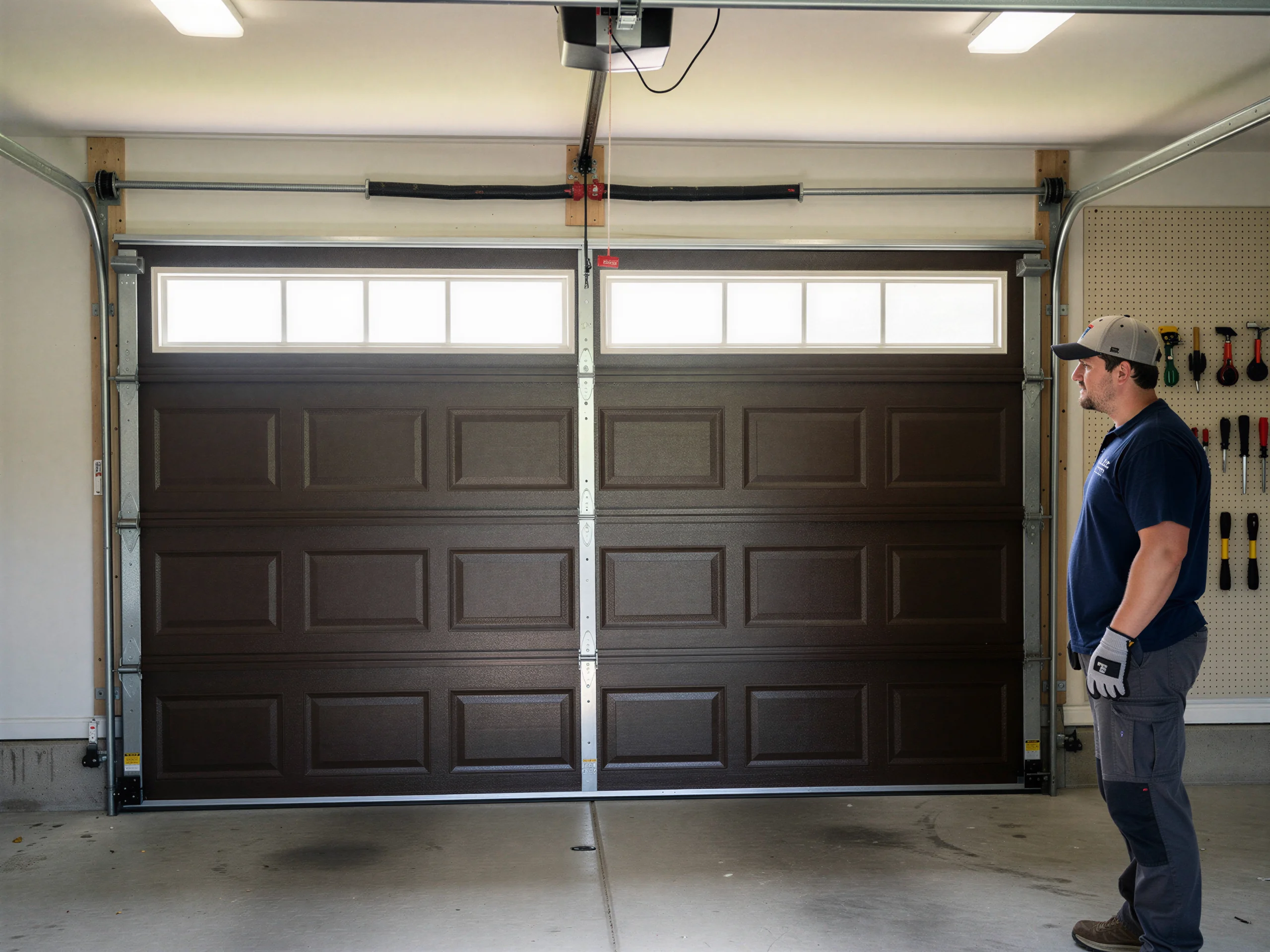
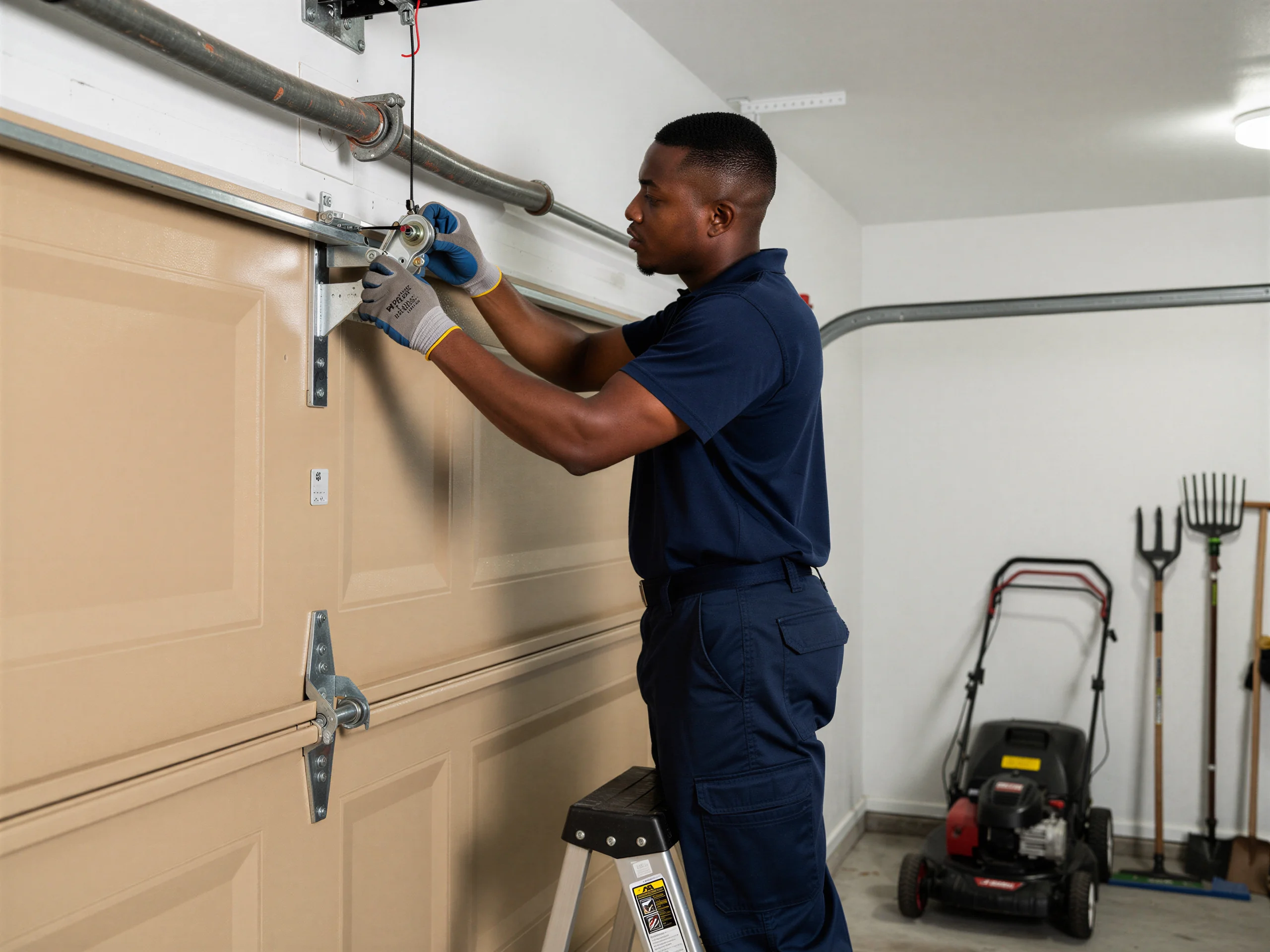
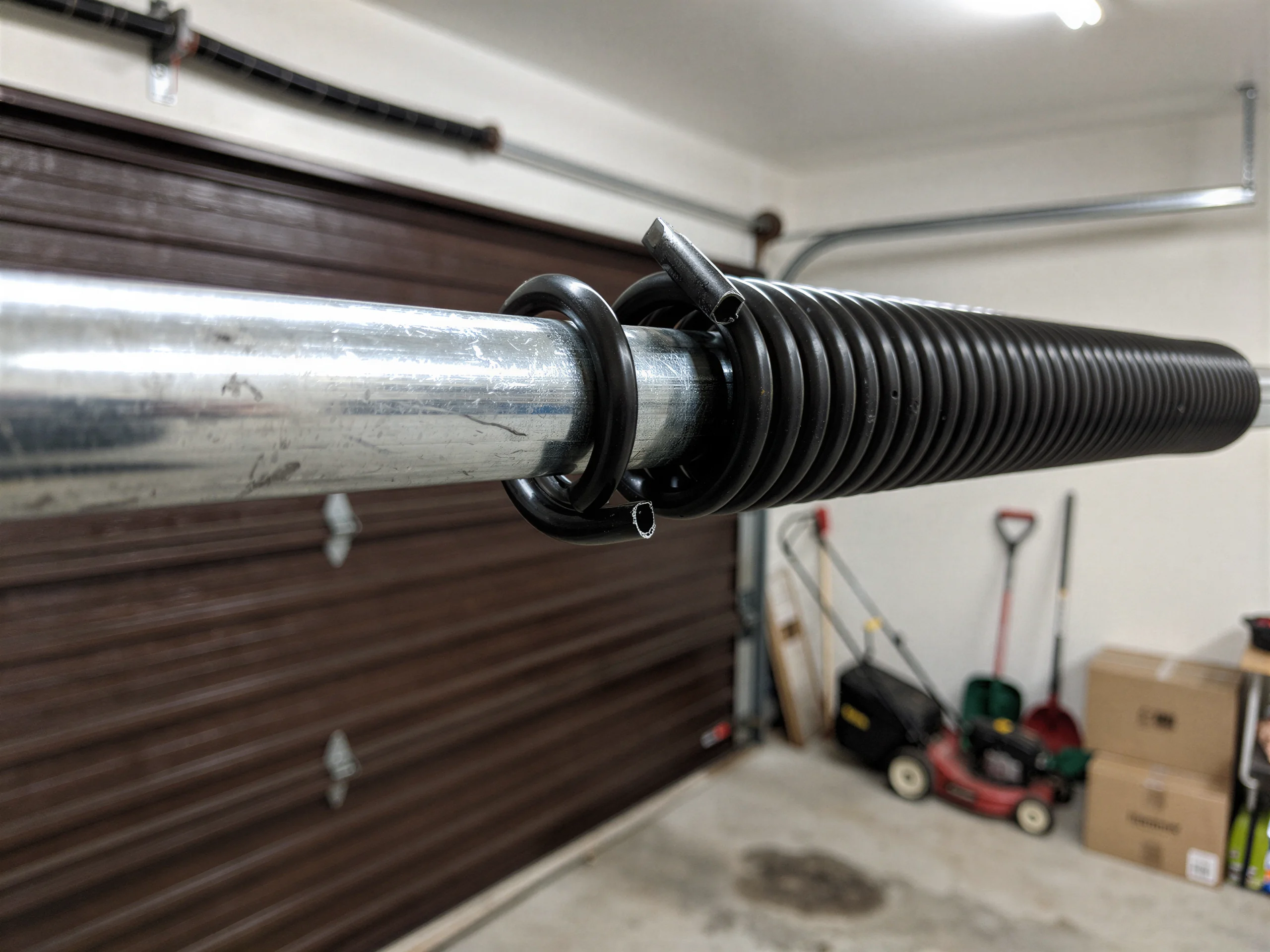
Winters here fall into the same severe-cold band as the rest of our territory, and cold is hard on old steel. On a door installed around 1938, decades of temperature swings mean springs, hinges, and cables have already taken more cycles of expansion and contraction than anything newer has. That's part of why a spring failure on one of these doors often comes without much warning - the metal was already fatigued before the final break.
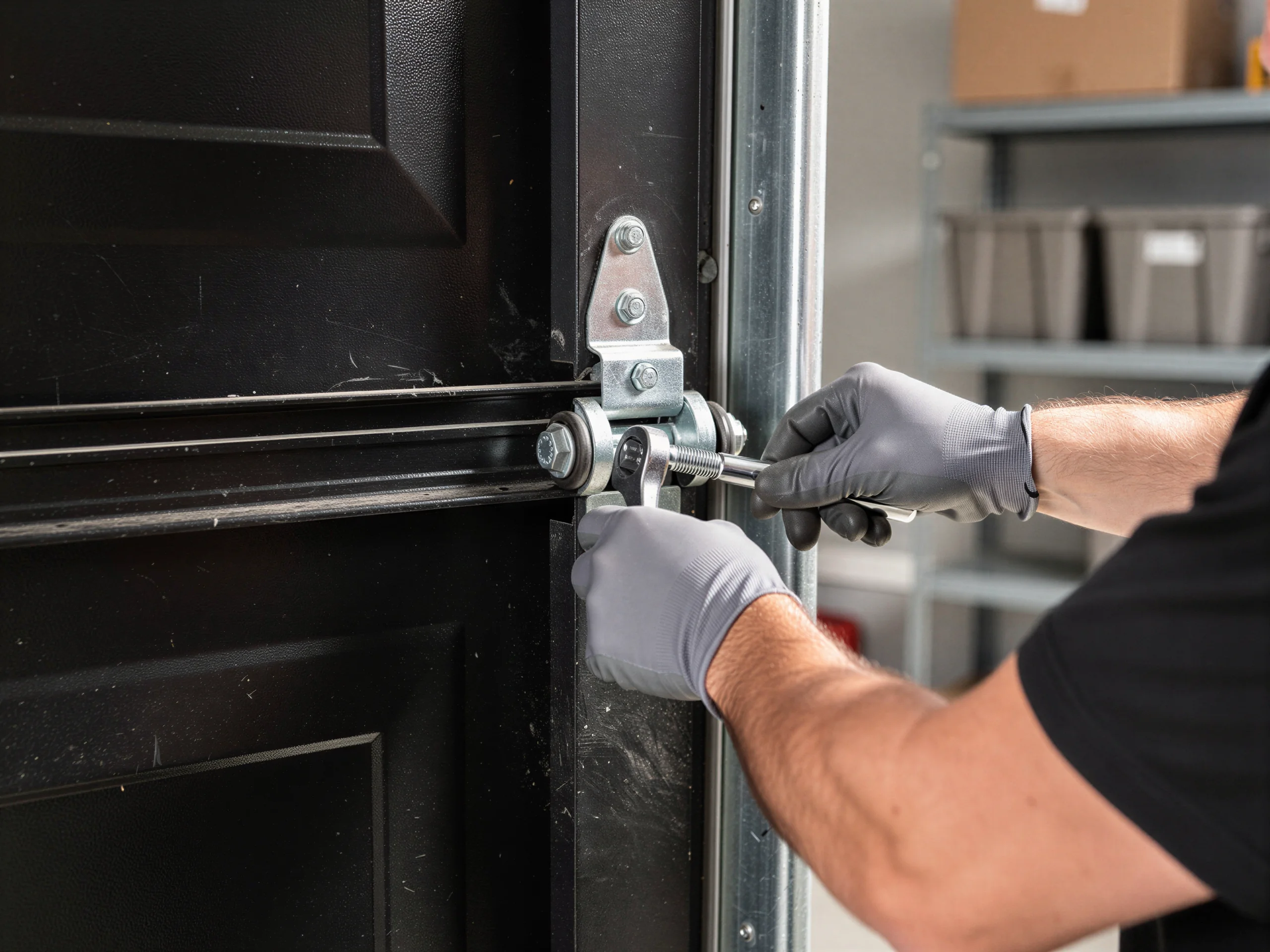
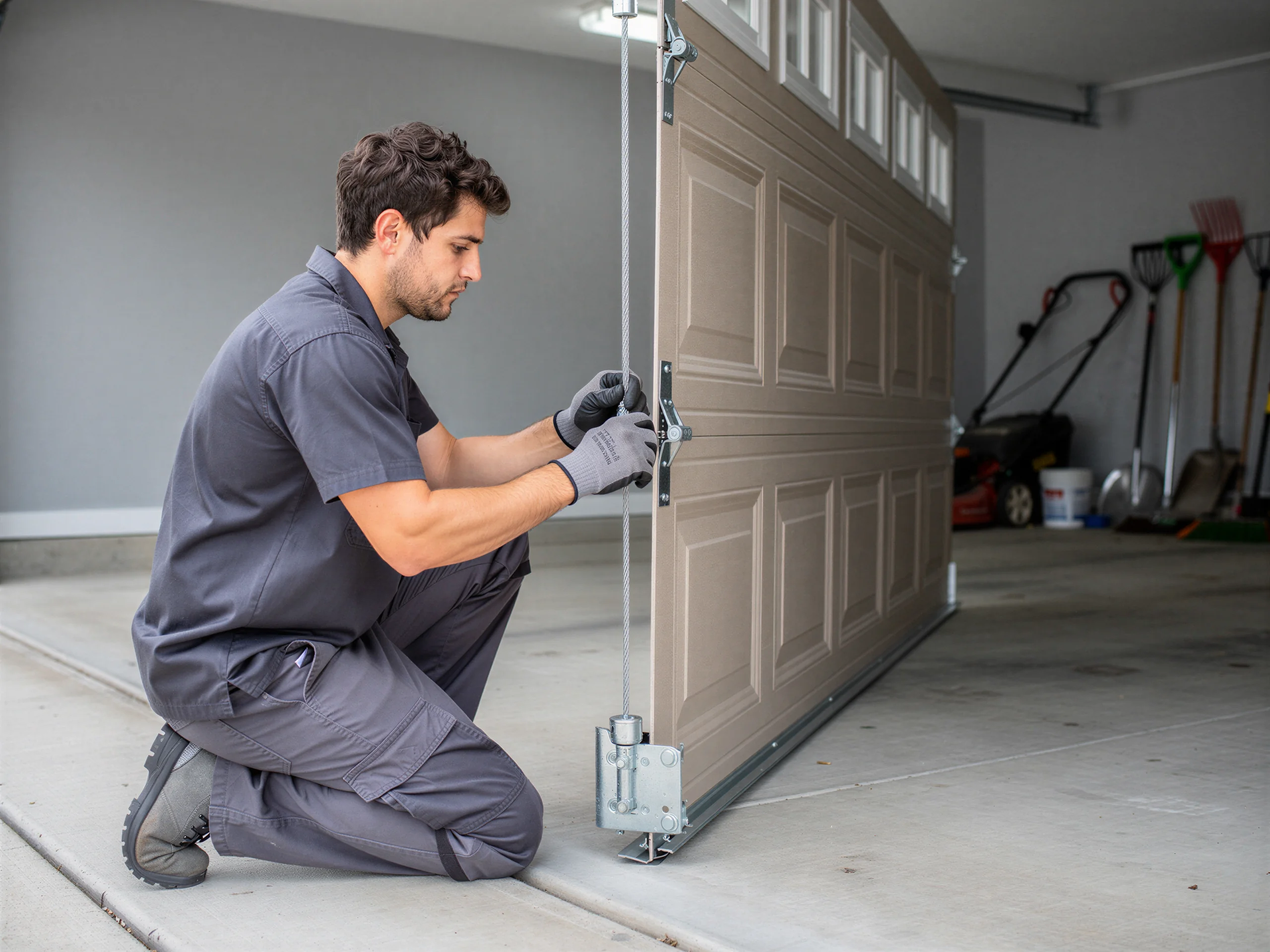
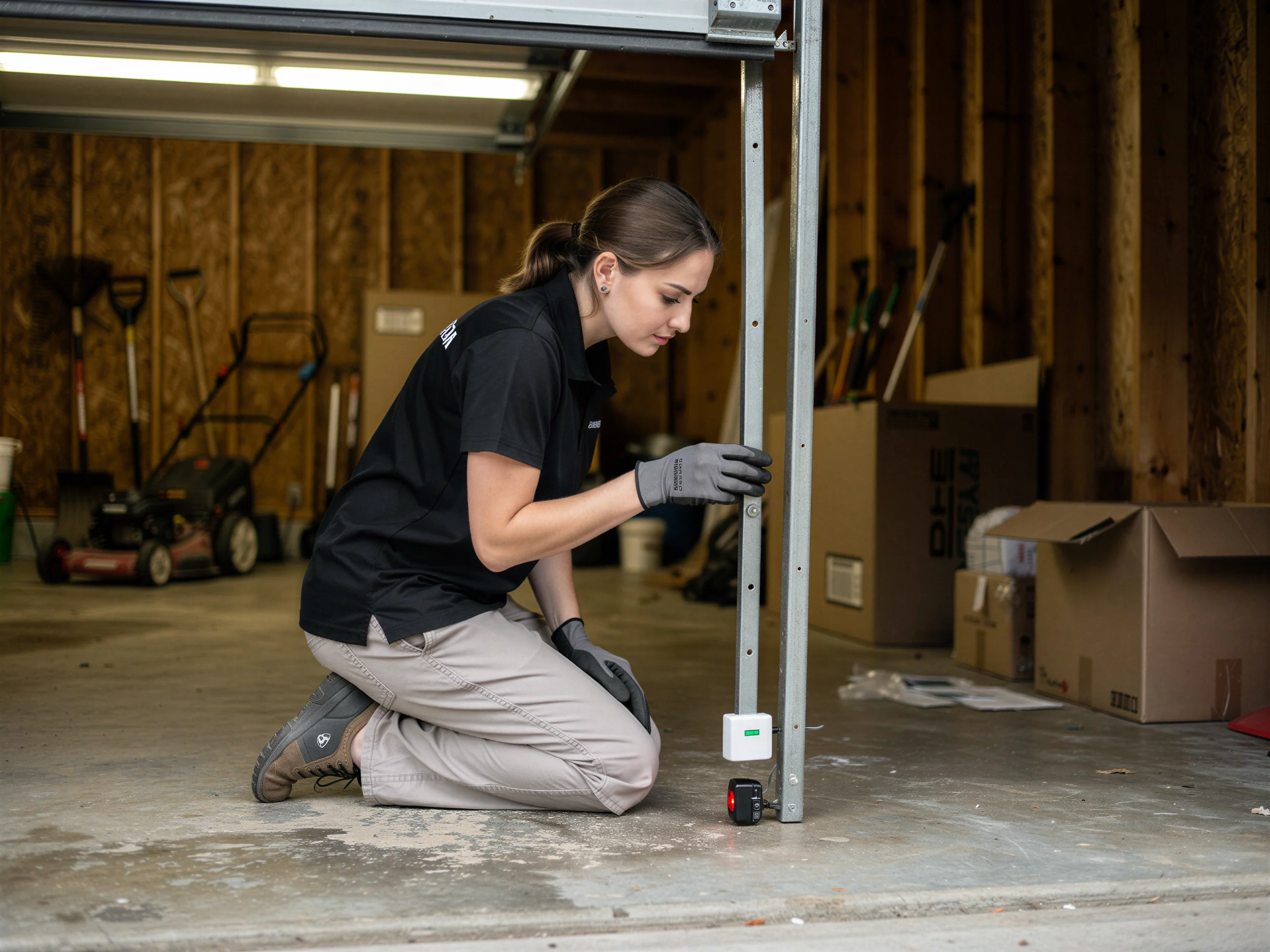
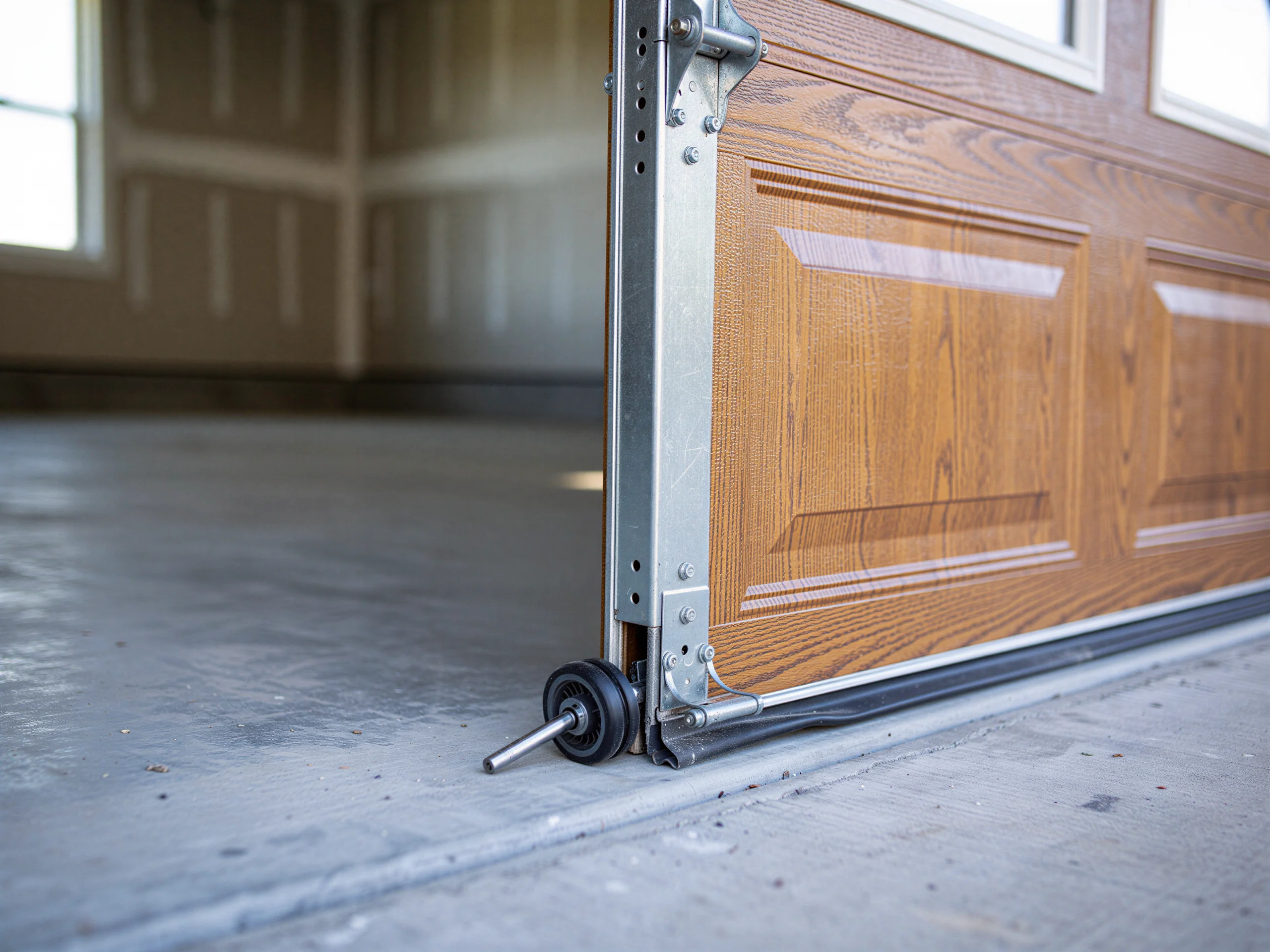
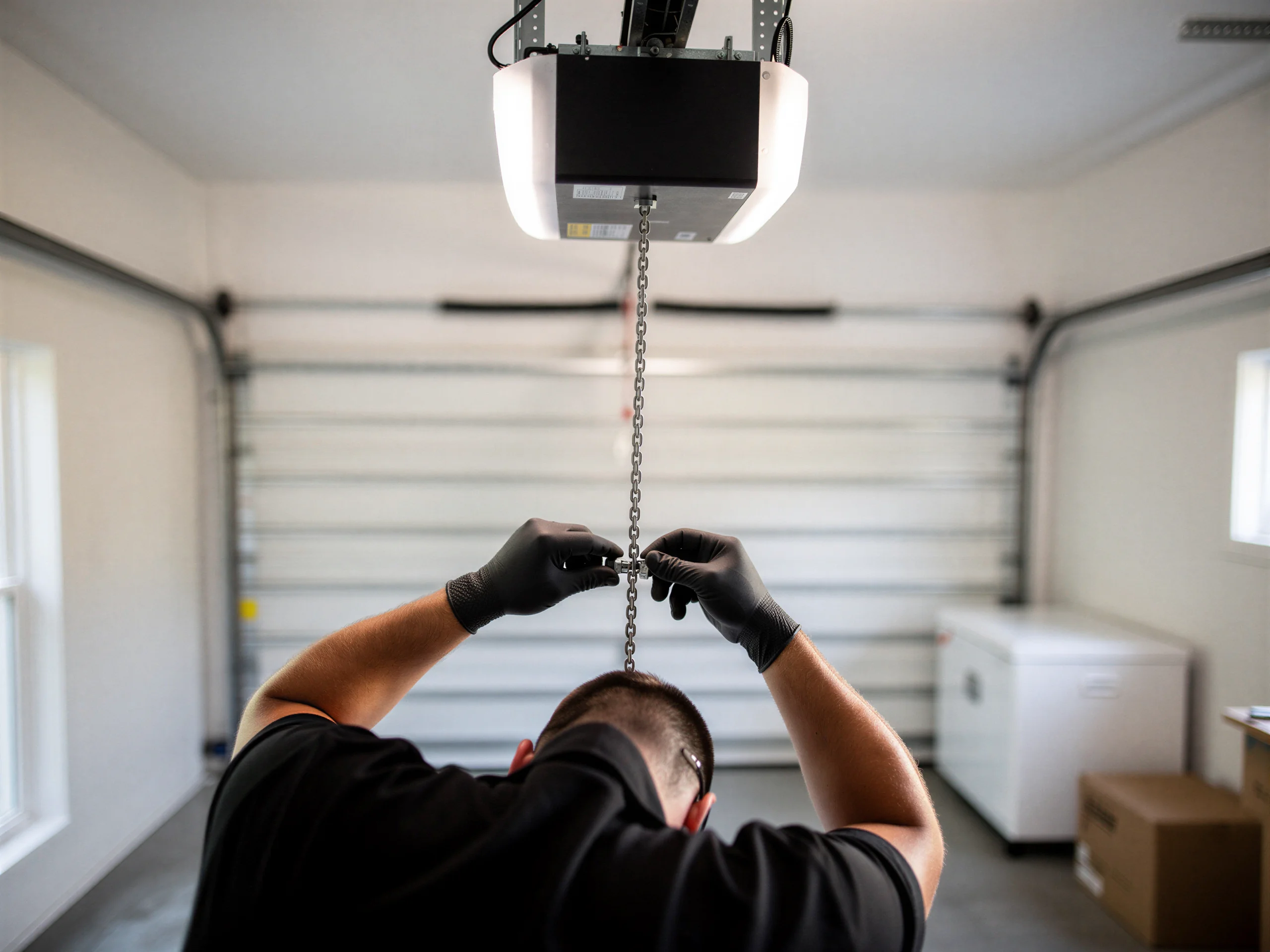
A proper repair on a door this age starts with checking whether the rest of the hardware is sound enough to support new parts, not just swapping the one piece that failed. If the track is misaligned or the drum doesn't match current stock sizes, we'll say so before we start rather than force a part that won't hold. One honest limit here: original wood panels and some older extension-spring components aren't things we keep on the truck, and if yours needs one, there can be a short wait while we source it rather than a generic stand-in that won't fit right.