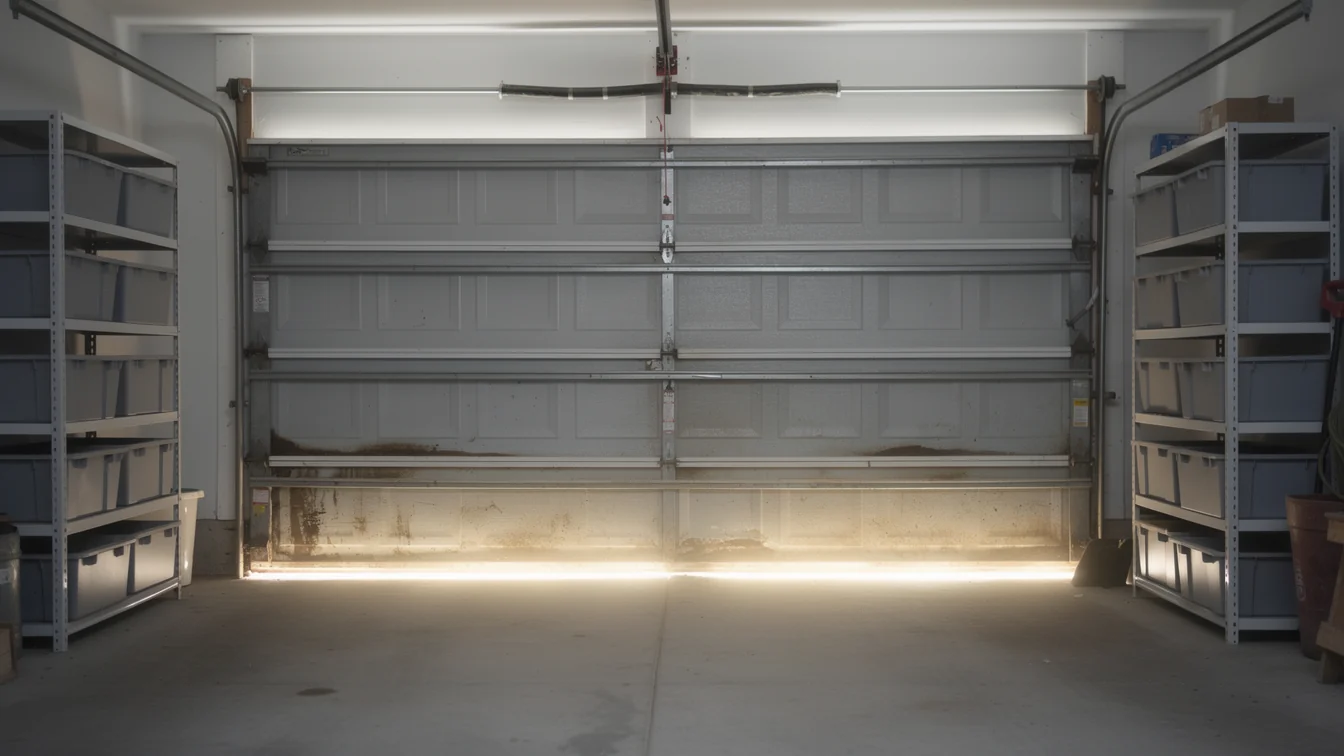
 Old Wheeling Garage Doors Weren't Built for This Cold
Wheeling's housing stock dates to 1938-1960, built for a different code era.
BlogWheeling, WV · 4 min read
Why Springs Fail Here, and What That Means for Your Door
Wheeling's pre-1960 housing and severe cold winters mean torsion springs fail fast. Here's what breaks, what it costs, and what homeowners get wrong.
Local detail
The Problem
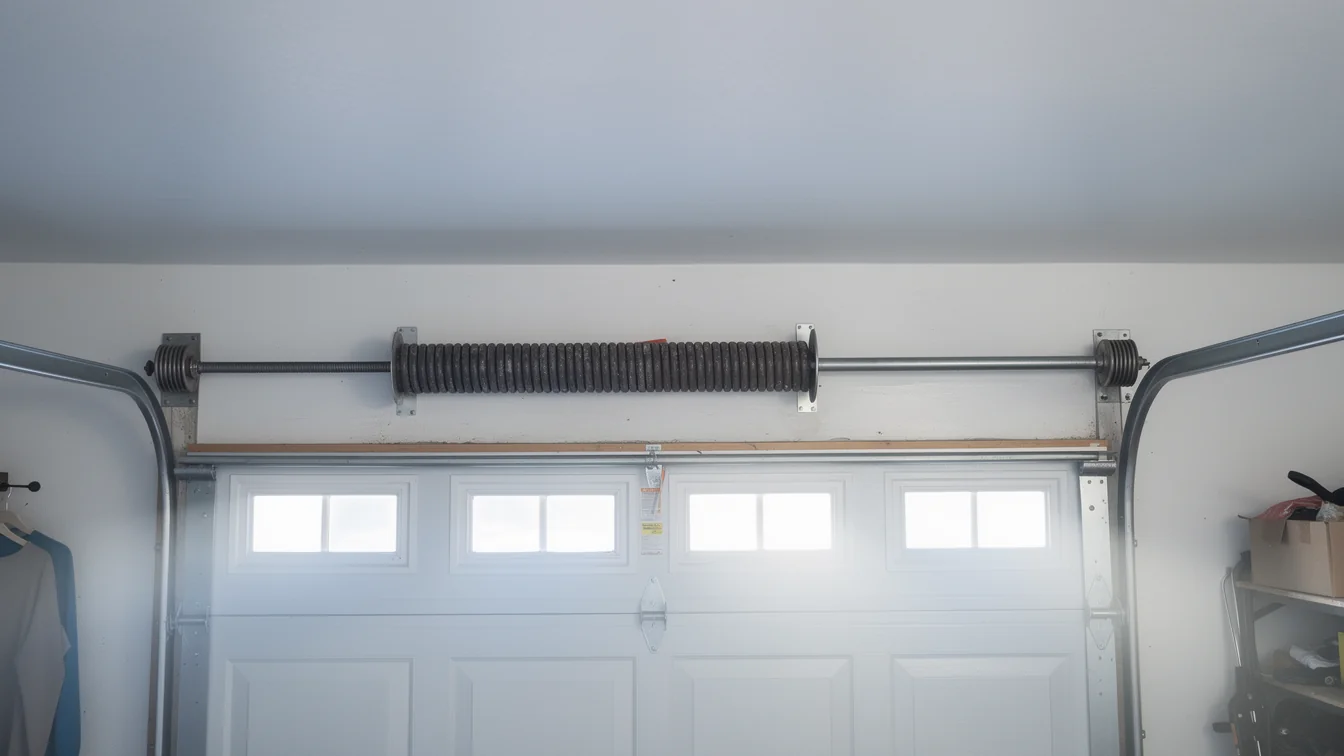
A torsion spring doesn't care how old your door is until the temperature drops, and then it cares a lot. Cold metal loses flex, and a spring that's been winding and unwinding for decades starts to show hairline fatigue right where the coil bends. In a service area where most houses, from Bethlehem two miles out to Cameron eighteen miles out, were built between 1938 and 1960, that fatigue has had a long time to build. These aren't new springs on new doors. They're originals or first replacements on hardware sized for a different era of door weight and a different era of garage use.
The failure itself is loud and sudden: a bang, the door drops, and the opener either strains against dead weight or does nothing at all. It's not a slow leak you can catch early. One day it holds, the next day it doesn't, and cold mornings are when it happens most because the steel is least forgiving right at the start of the day's first open.
The area
What You Pay
I'm not going to put a number here that I can't back up, because the honest answer is that it depends on what's actually on your door. A single spring job on a standard door is one thing. A double door with two torsion springs, worn cables, and a bearing plate that's seized from age is a different job entirely, and houses built in this area's 1938-1960 window often carry all three at once.
Median household income here runs around $51,389, and that number matters because it shapes a real decision a lot of owners make: repair the spring and keep the original door running, or replace the whole unit once the drums, cables, and rollers are all tired at the same time. There's no universal right answer. A door that's only down a spring is a repair. A door where the spring is the third thing to go in two years is usually telling you something.
What we find
What the Weather Here Does to It
This area sits in a severe cold climate band, and that's not a marketing phrase, it's a classification that drives how hardware is supposed to be rated. Severe cold means real swings: the steel in a spring or a track contracts in a way it doesn't in a mild climate, and contraction plus decades of cycling is what turns a fatigue crack into a snapped coil.
Tracks and rollers take a version of the same beating. Grease that was fine in warmer months stiffens up, rollers bind slightly instead of rolling clean, and the opener has to pull harder on a cold spring with stiff rollers and a track that's contracted a fraction out of true. None of that shows up in July. It shows up in January, usually on the first cold snap of the season, and usually on a door that was already marginal.
How we work
What Most People Get Wrong
The most common mistake is assuming a spring that's just loud, or a door that's just slow, will hold until spring. On a house from this era's housing stock, a straining spring under cold-weather load is close to the end, not the start of a slow decline. Waiting usually means the spring goes while the door is open, which is worse and more dangerous than it going while the door is shut.
The second mistake is treating the spring as an isolated part. On older torsion setups the spring, the cable, and the bearing plate age together, and replacing only the spring on a door where the cable is just as worn means you're back out again within a year. I'll be straight about the limit here too: if your door's track and rollers are original to a 1940s or 1950s install and badly worn, a new spring on tired hardware is a short-term fix, not a real one, and I'll tell you that instead of just swapping the part.
Questions
Common questions
Why do garage door springs break more in winter here?
The service area sits in a severe cold climate band, and cold steel is stiffer and more prone to snapping under load than steel at normal temperatures. Combine that with springs that are original or first-generation replacements on houses built mostly between 1938 and 1960, and winter mornings are when years of fatigue finally give out.
Is it worth replacing the whole door instead of just the spring?
It depends on what else is worn. If the spring is the only issue, a repair makes sense. If the cables, rollers, and bearing plate are all original to a house from the 1940s or 1950s and showing the same wear, replacing just the spring often means another call within a year or two.
How far out do you go for a spring repair?
The service area runs from Bethlehem at two miles out to Cameron at eighteen, with Triadelphia, Valley Grove, Moundsville, and Wellsburg in between. Most of that area shares the same pre-1960 housing stock and the same cold-weather spring failures.
Recommendation
You Might Also Like
More garage door guides for Wheeling homeowners.
Old Wheeling Garage Doors Weren't Built for This Cold
Wheeling's housing stock dates to 1938-1960, built for a different code era.
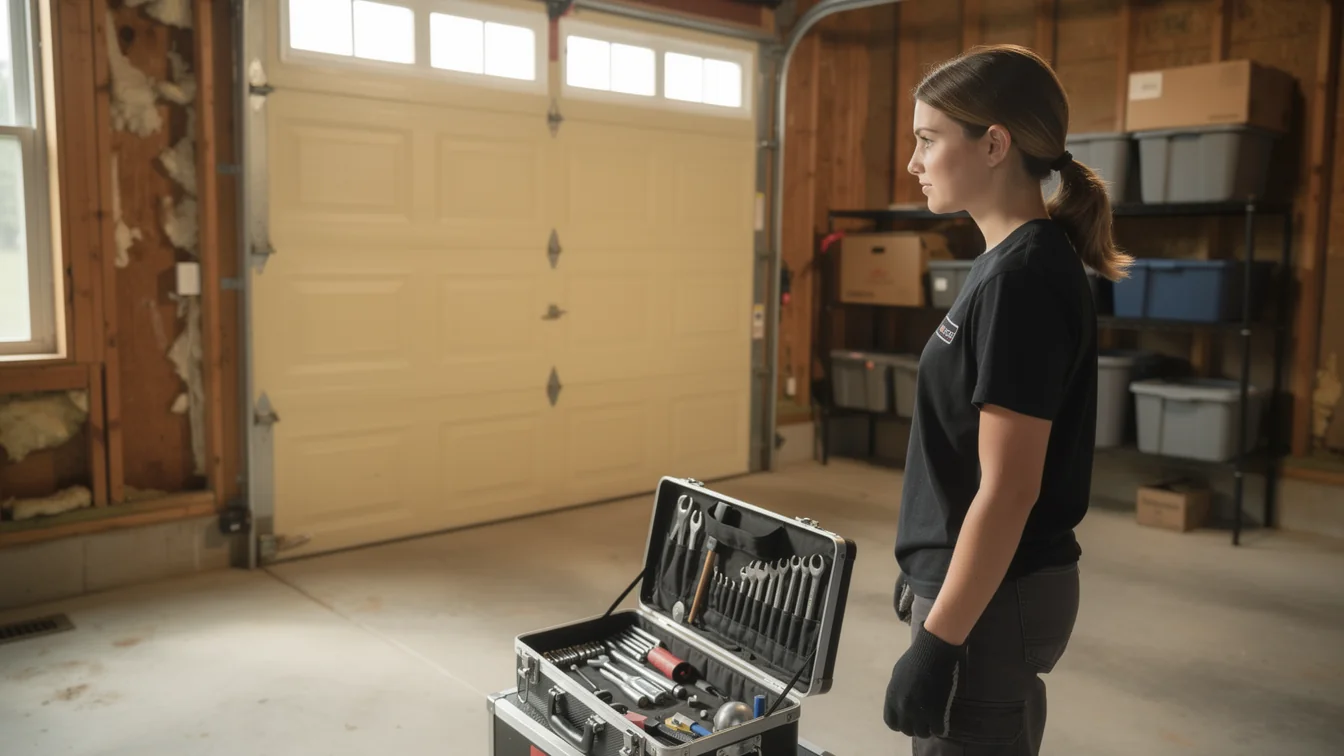 What Actually Happens When We Come Out
A real look at what a Wheeling garage door service call includes, built around this town's pre-1960 housing stock and cold-climate wear patterns.
 Openers and Power Cuts in Wheeling's Older Homes
Wheeling homes built 1938-1960 pair old wiring with modern openers.
Ready when you are
Need a garage door sorted in Wheeling?
Wheeling Garage Door Co repairs and installs garage doors, springs and openers in Wheeling, WV and the surrounding area.
Certified Experts
Quality Assured