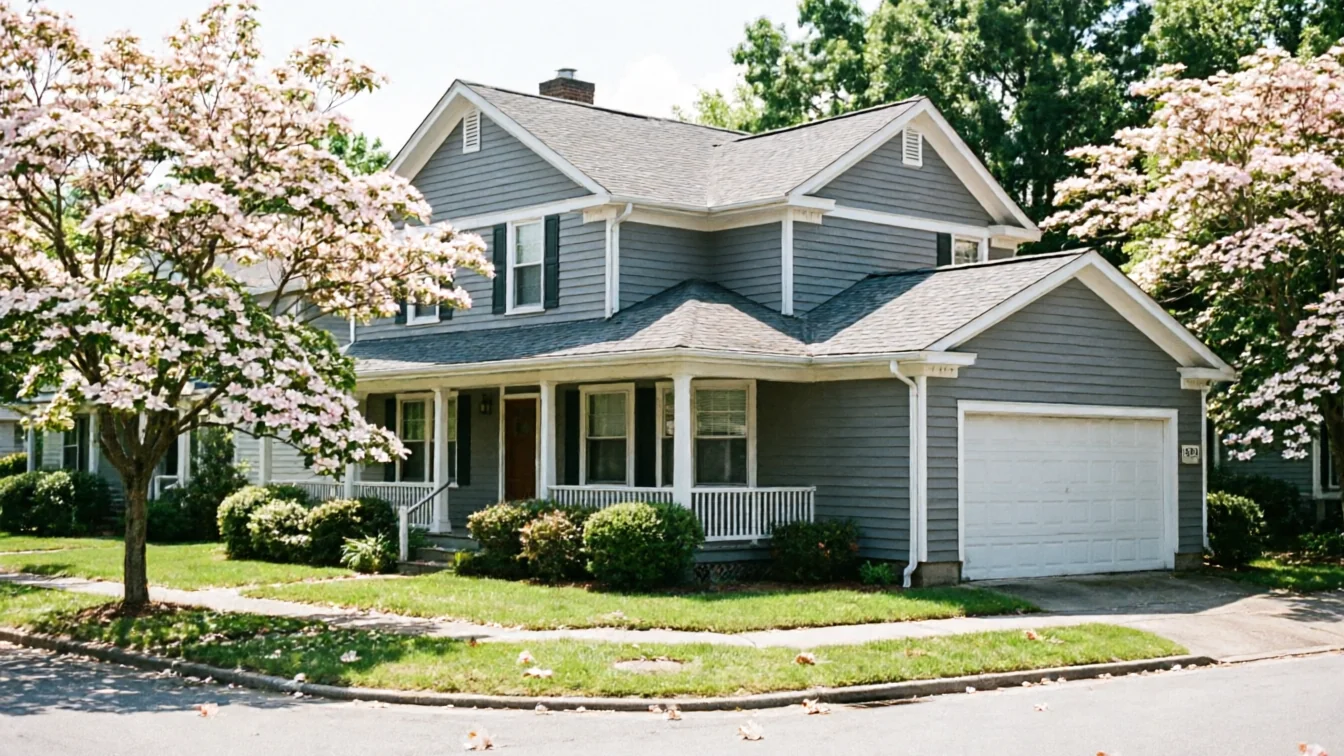
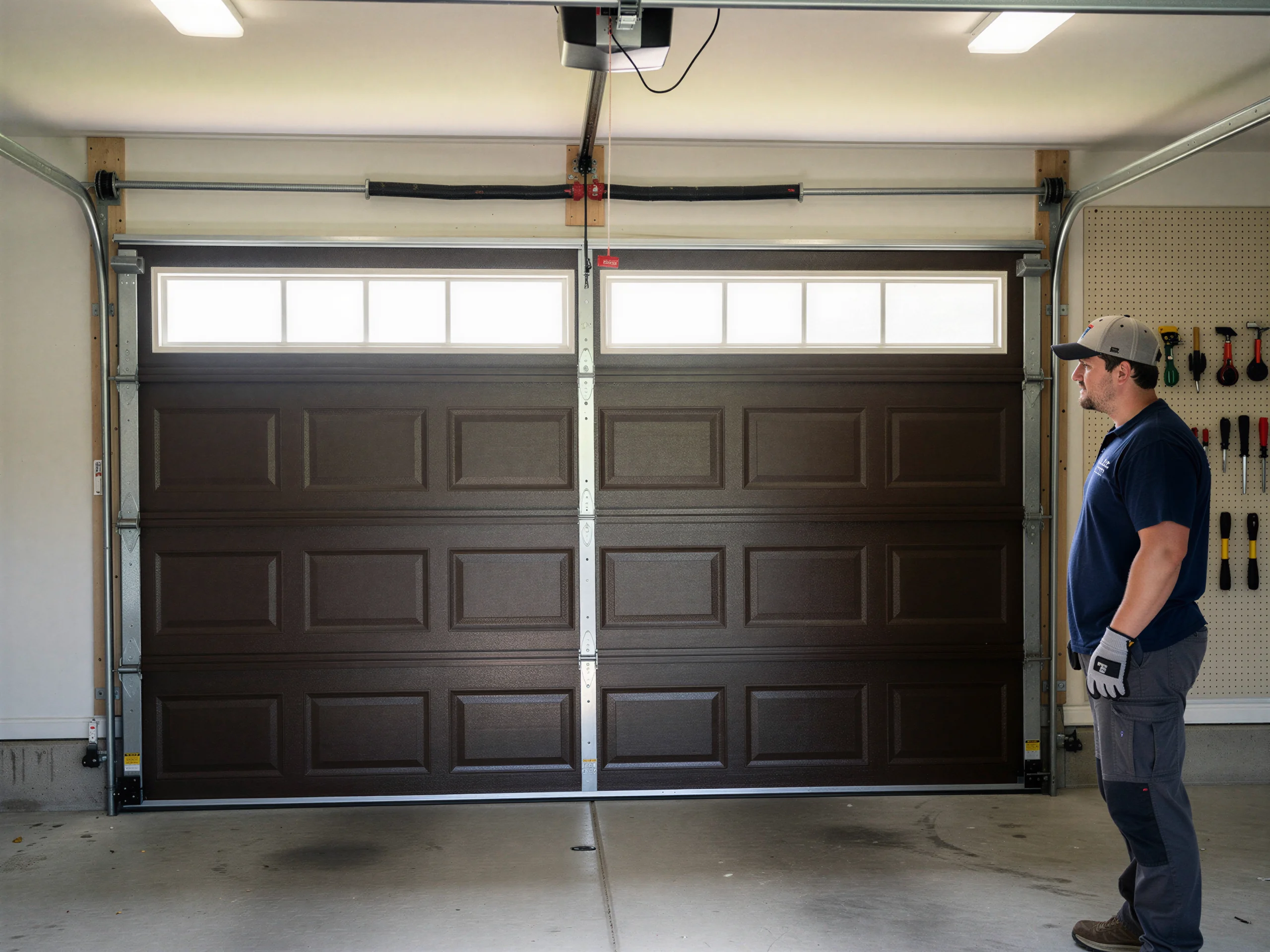
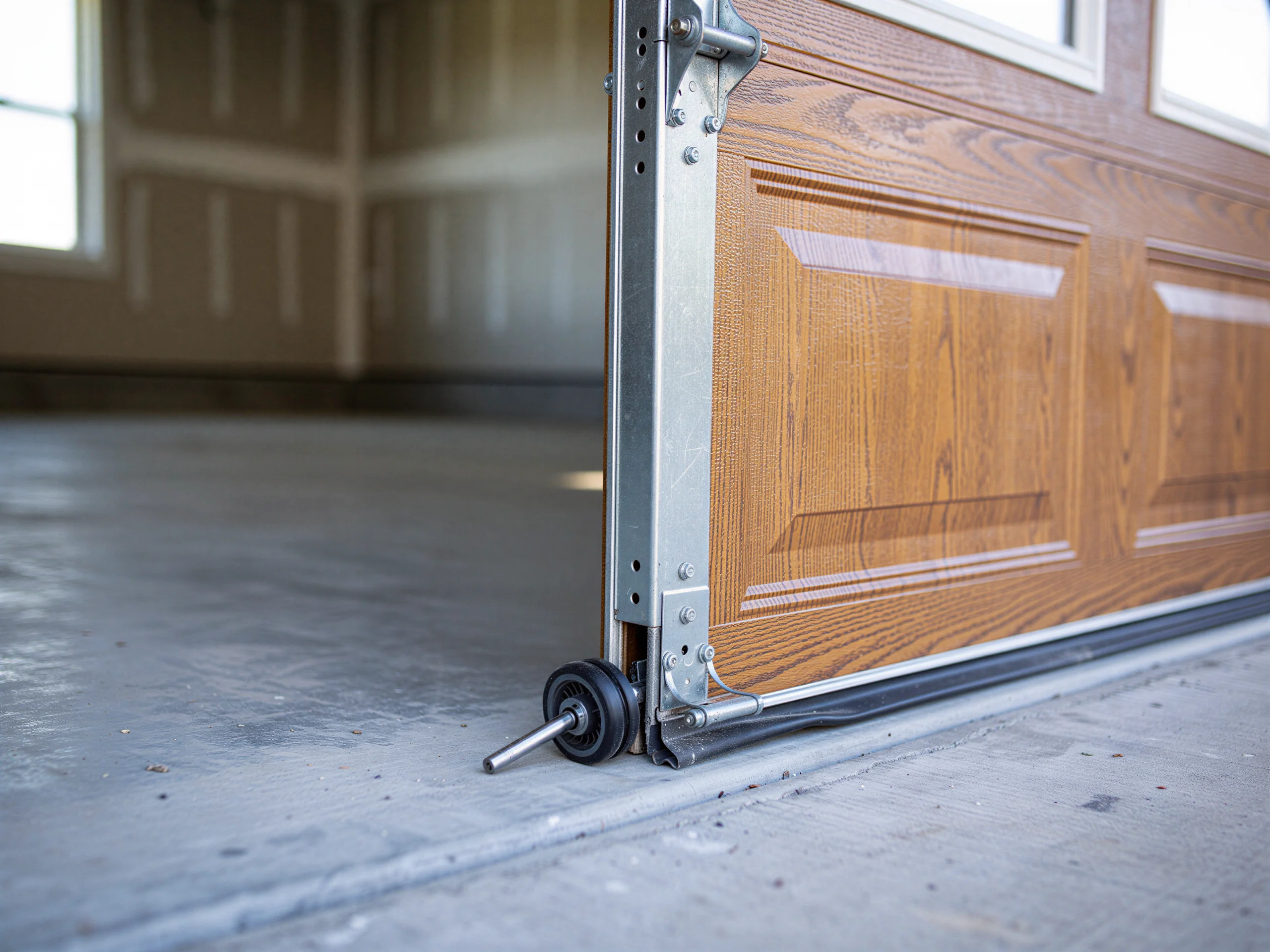
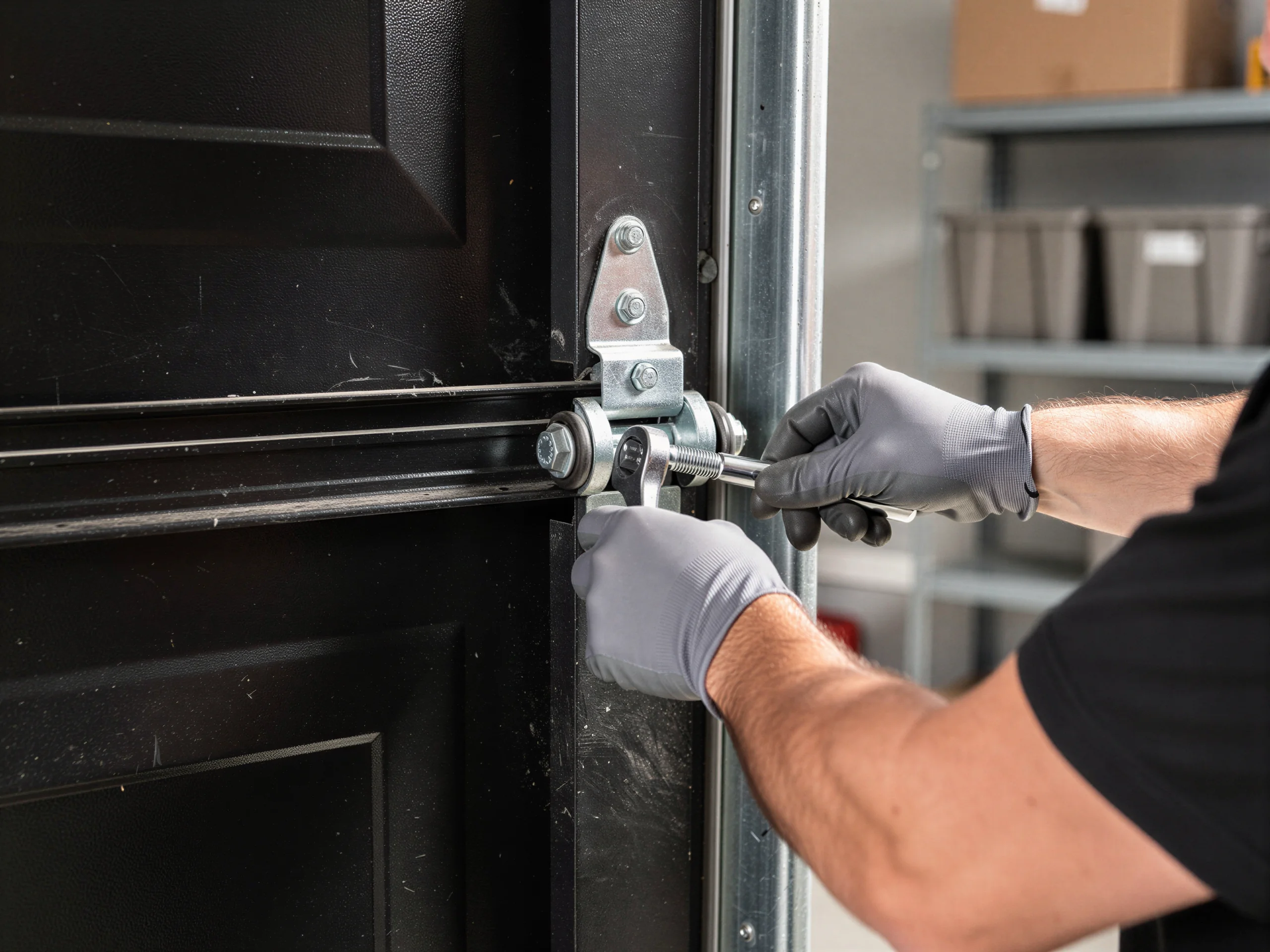
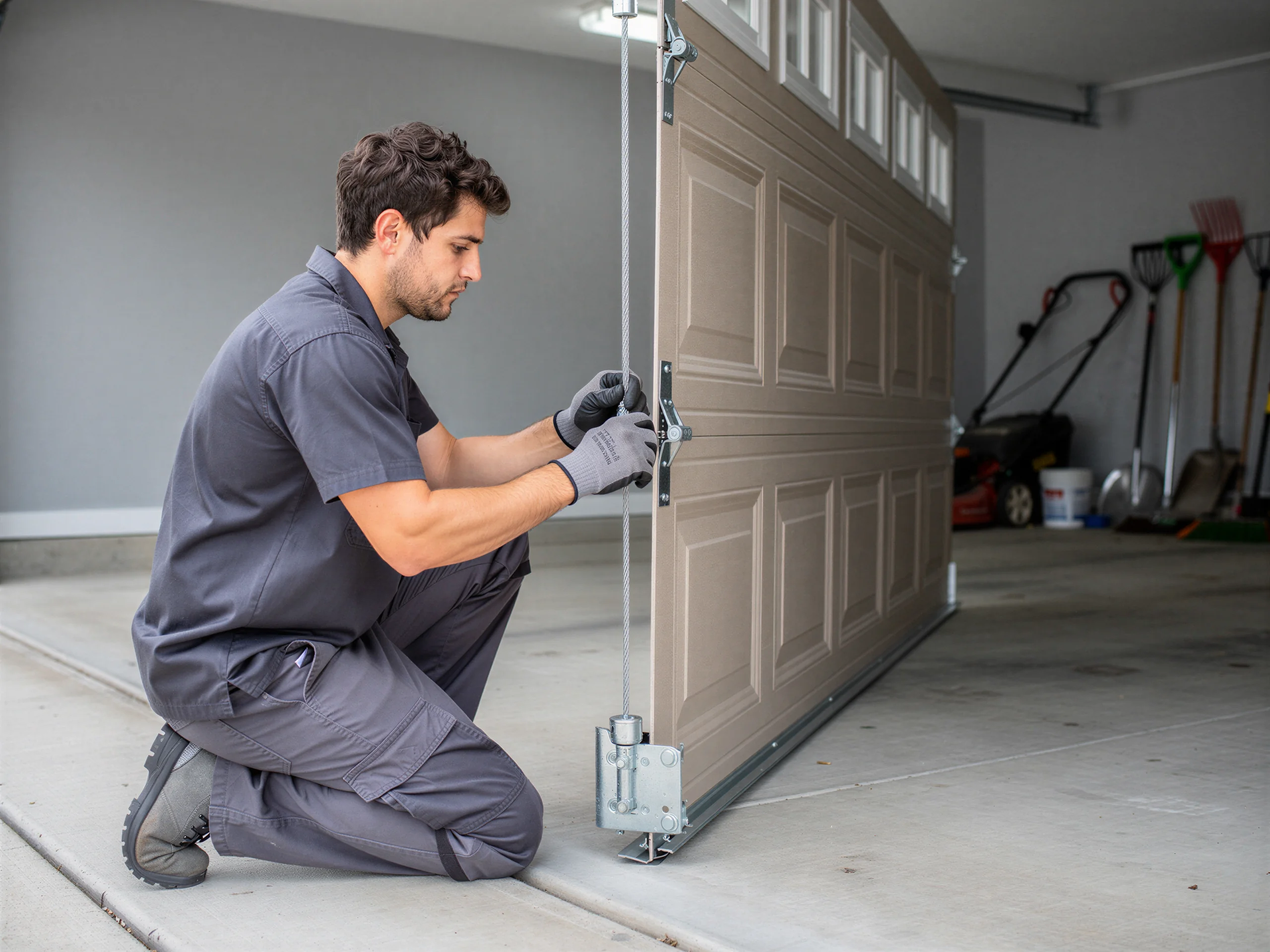
Most of the housing stock in the Wheeling service area went up between 1938 and 1960, with a median build year of 1949. That matters for rollers specifically. Original tracks on these houses were set to tolerances for steel rollers that have long since worn out their nylon or steel replacements, and decades of settling on these older foundations has knocked a lot of those tracks slightly out of plumb. A roller that's fighting a track that's even a quarter-inch off square wears three to five times faster than one running true.
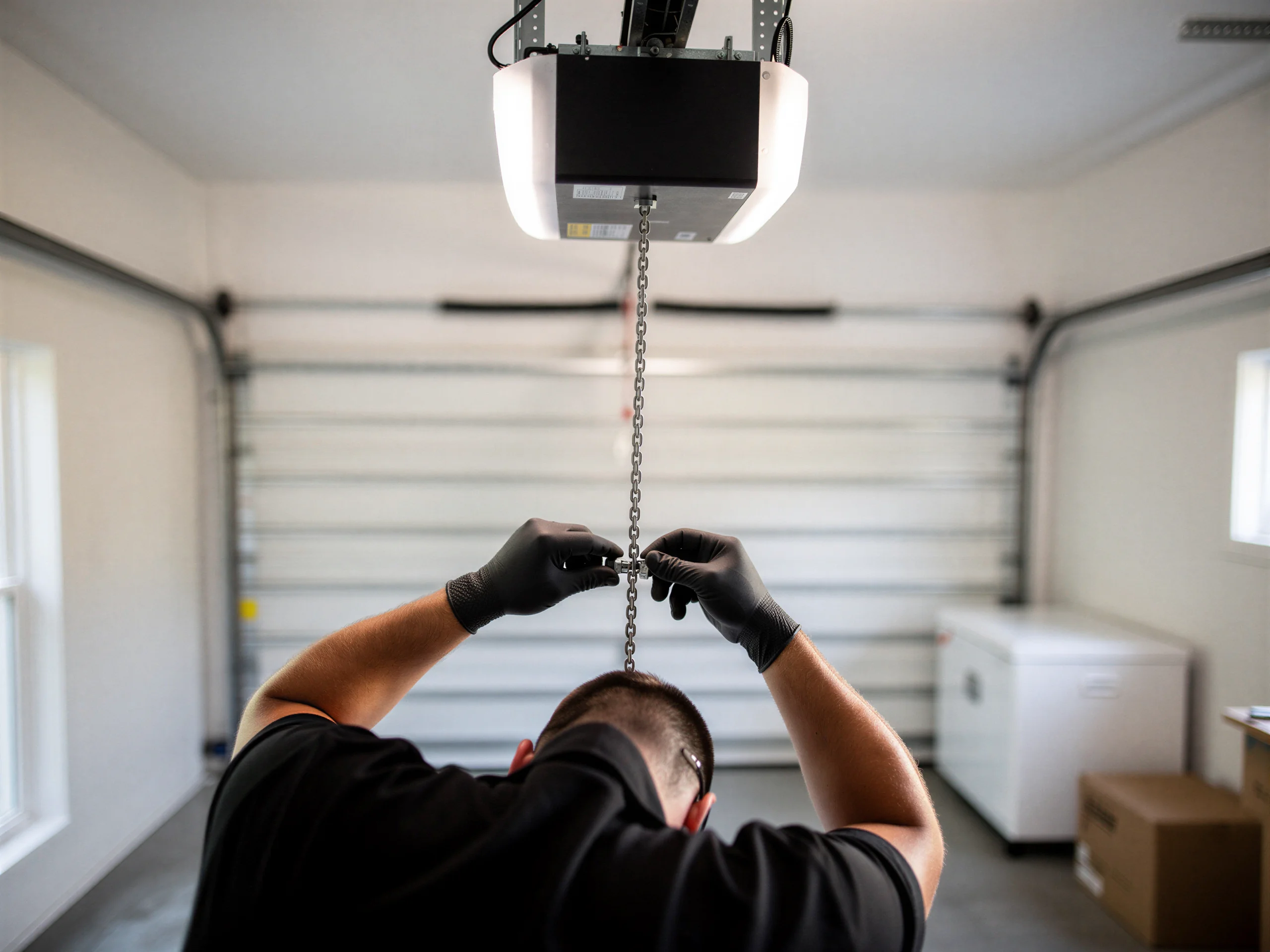
Layer on the climate. This area sits in a severe cold band, and that means hard freeze-thaw cycles every winter. Steel rollers with exposed bearings pick up moisture, that moisture freezes overnight, and the bearing surface pits. Nylon rollers don't rust, but the stem and bearing still take the brunt of a door that's heavier to lift when the lubricant inside the opener gear and the roller bearing both stiffen up in the cold. Houses built in this 1938-1960 window across the service area's named neighborhoods tend to have narrower, heavier wood-core doors than newer construction, which puts more load on every roller, every cycle, all winter long.
This isn't a problem unique to one street. It's a pattern tied to the age of the stock and the weather, and it shows up on nearly every pre-1960 house we look at sooner or later.