Eleven-year age gap
What's different here is the house behind the door. Cameron's housing stock carries a median build year of 1938 - a full eleven years older than the 1949 median we see across the rest of this service area.
Cameron, Wheeling
Cameron's houses date to a 1938 median build year, older than the rest of our service area. We cover original hardware and cold-climate wear from Wheeling.
Symptoms
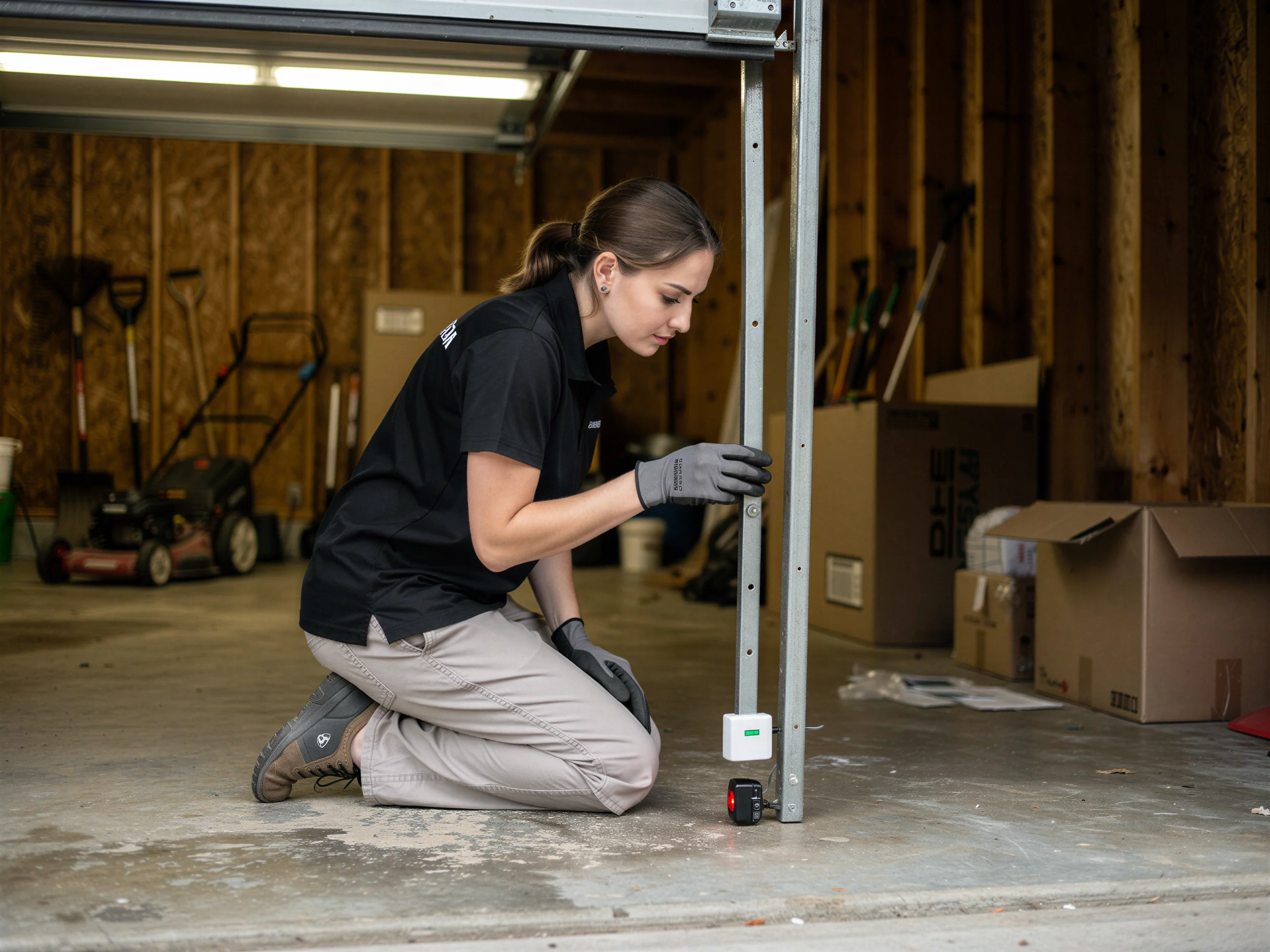
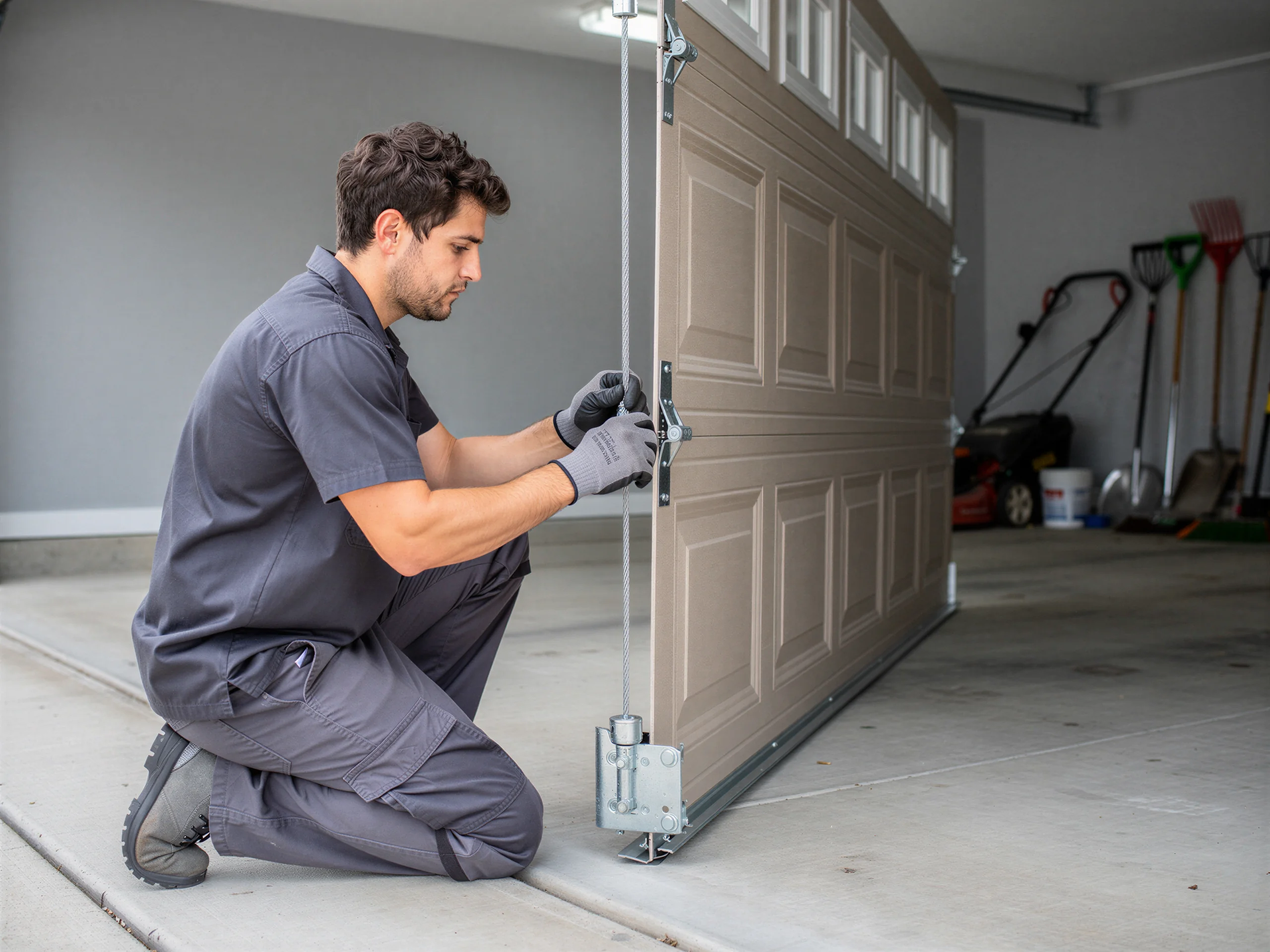
Most of the calls we get out of Cameron start the same way: a door that used to roll smooth now hangs up a few inches off the floor, or the opener strains and reverses before it ever closes.
What's different here is the house behind the door. Cameron's housing stock carries a median build year of 1938 - a full eleven years older than the 1949 median we see across the rest of this service area.
That gap matters. A door installed in a Cameron garage in the 1940s or 50s is carrying hardware a decade or more ahead of what we find on a typical Wheeling job, and the wear pattern shows it.
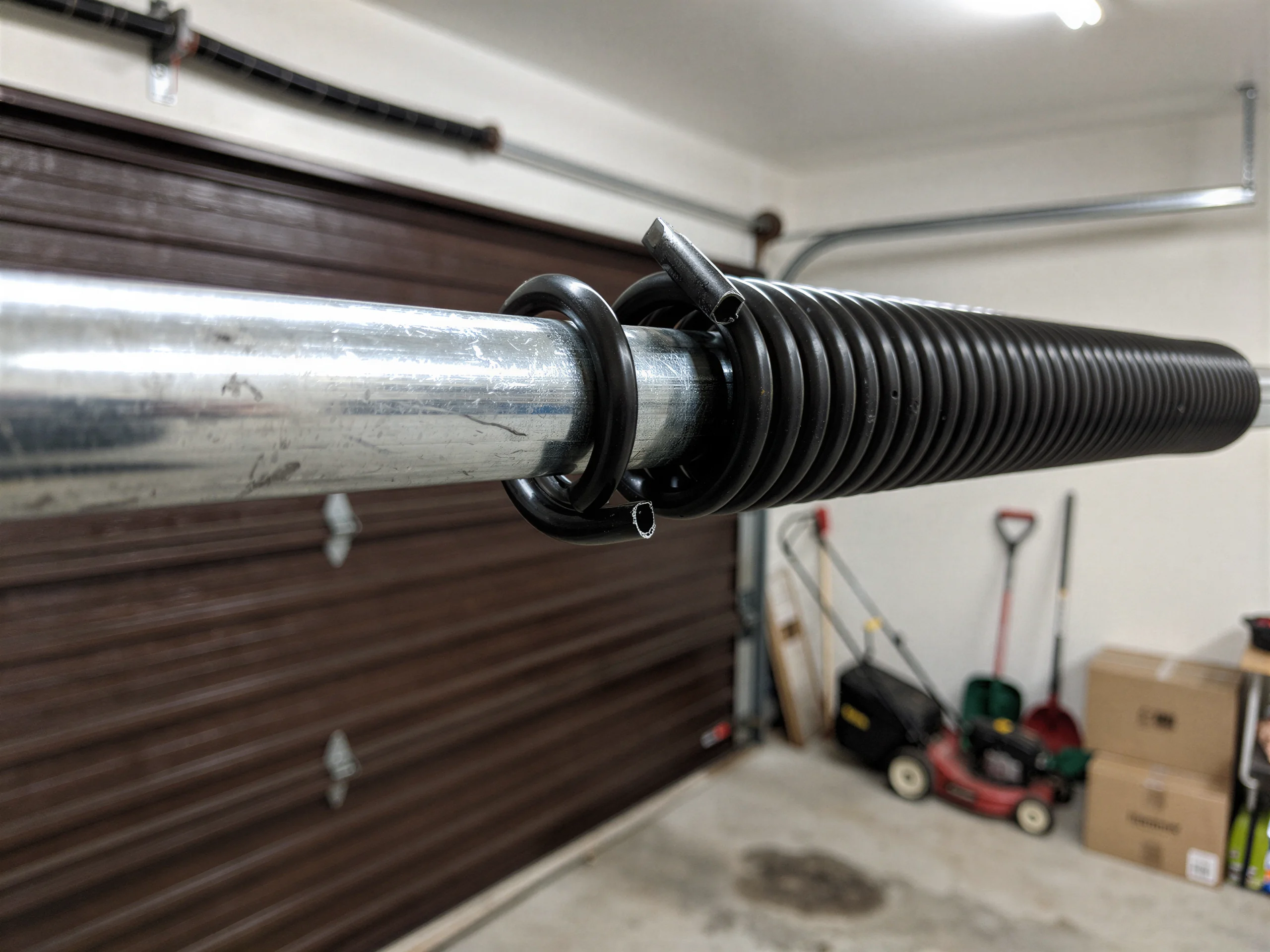
Springs that have been doing their job since Eisenhower don't fail the way a 1960s spring fails - they fail all at once, usually on the coldest morning of the year. If you're calling about a door that groans before it moves, or a cable that's started to fray at the drum, you're describing a Cameron-era problem, not a generic one.
Local causes
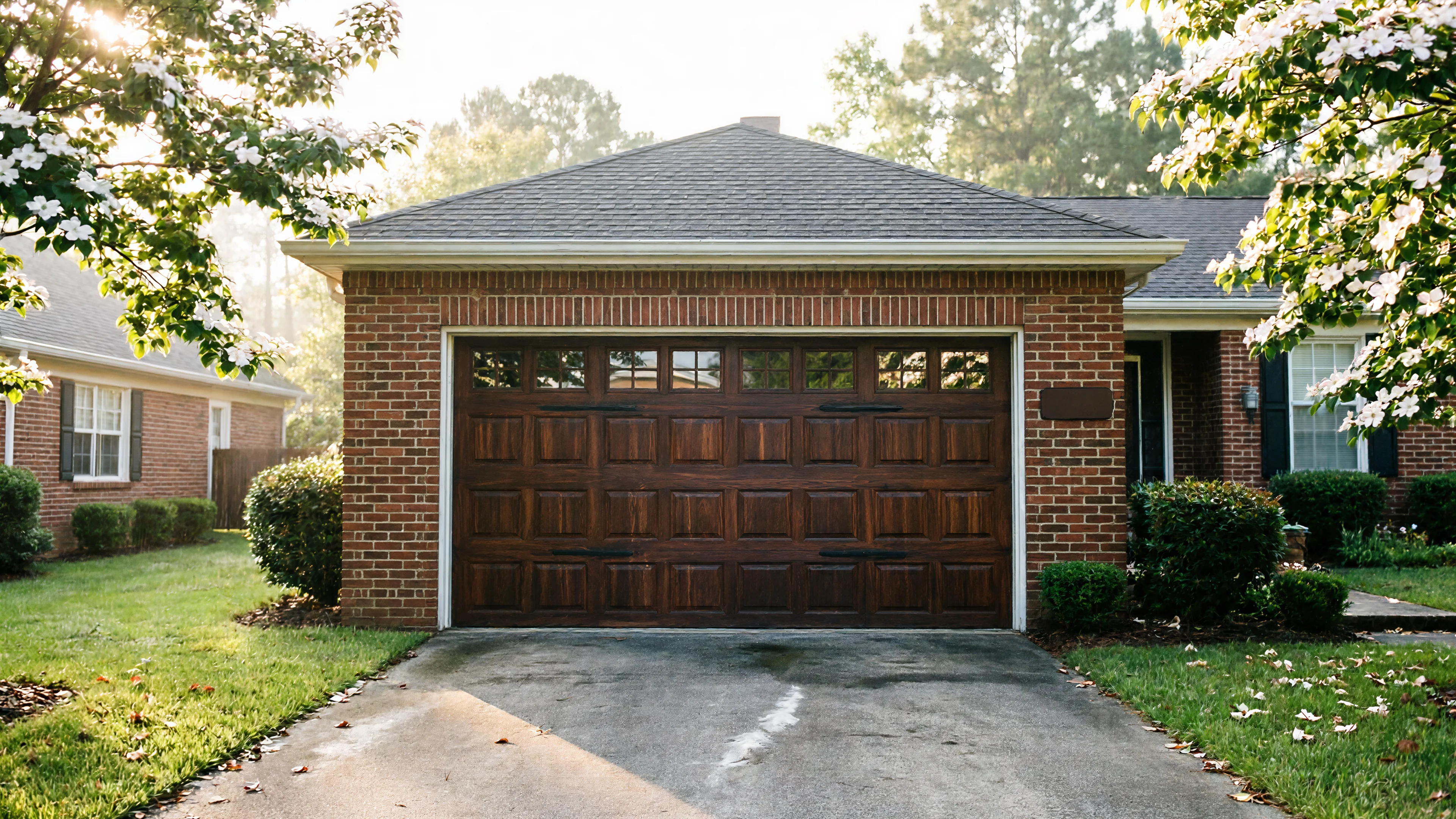
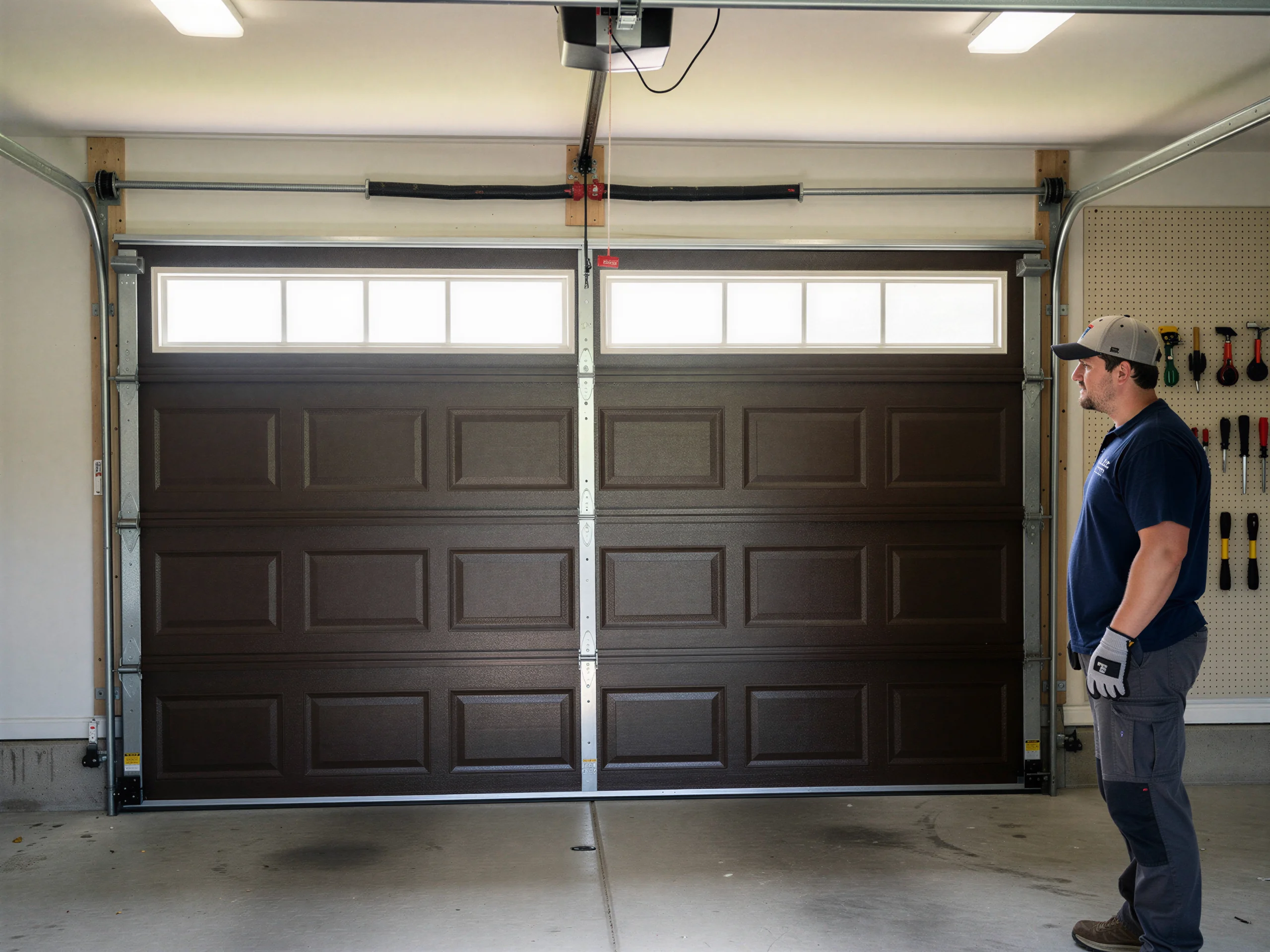
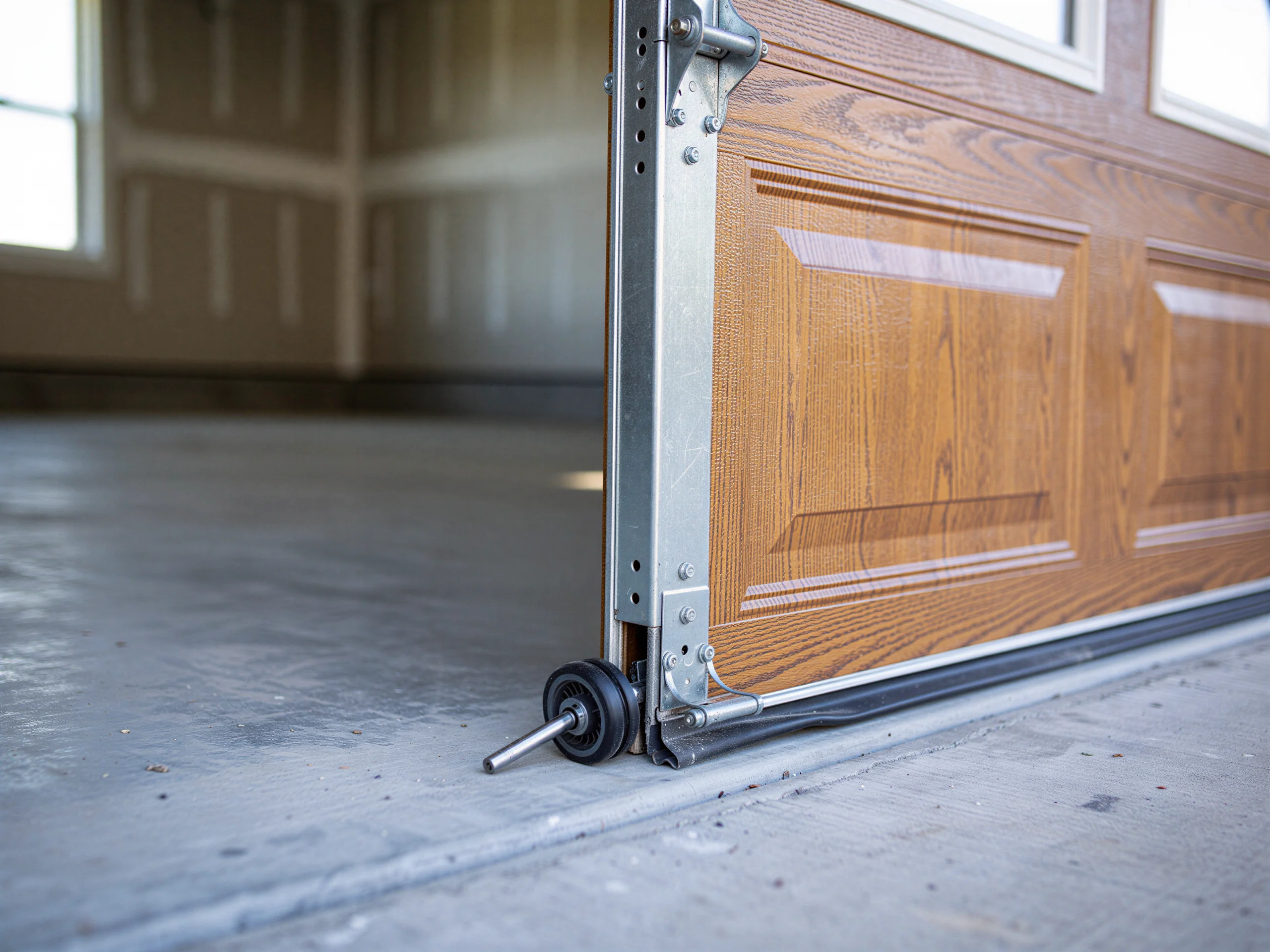
Older houses here were built with narrower garage openings and lighter steel doors than what's standard now, often on side-mounted torsion hardware that newer manufacturers don't stock replacement parts for. Pair that with the severe cold-climate band this part of West Virginia sits in, and you get a specific failure chain: steel contracts in hard cold, torsion springs lose wind tension faster than they would in a mild climate, and a spring that's already near the end of its life on a house this old goes from quiet to broken with no warning. We also see more cable fraying and roller wear here than the newer construction elsewhere in the territory, simply because the hardware has had longer to work and the winters have been harder on it the whole time. None of this is a Cameron-specific curse - it's just what happens when a 1938-era door meets a cold winter for the eightieth time.
Pricing
We don't have a published flat rate for this page, and we're not going to make one up.
What we can tell you honestly is what drives the number up or down on a job like this: whether the spring size and drum style match anything we carry on the truck, whether the opener is original or already replaced, and how much rust or cable wear has to be addressed along with the original complaint.
Cameron sits 18 miles out from Wheeling, the farthest point on our regular route, so travel is something we factor into scheduling rather than something that changes the diagnosis. With median household income here at $48,750 - lower than the $51,389 median across the broader service area - we try to be straight about when a repair makes sense and when it doesn't, rather than defaulting to a full replacement quote on every call.
Watch-outs
Serving Wheeling, WV
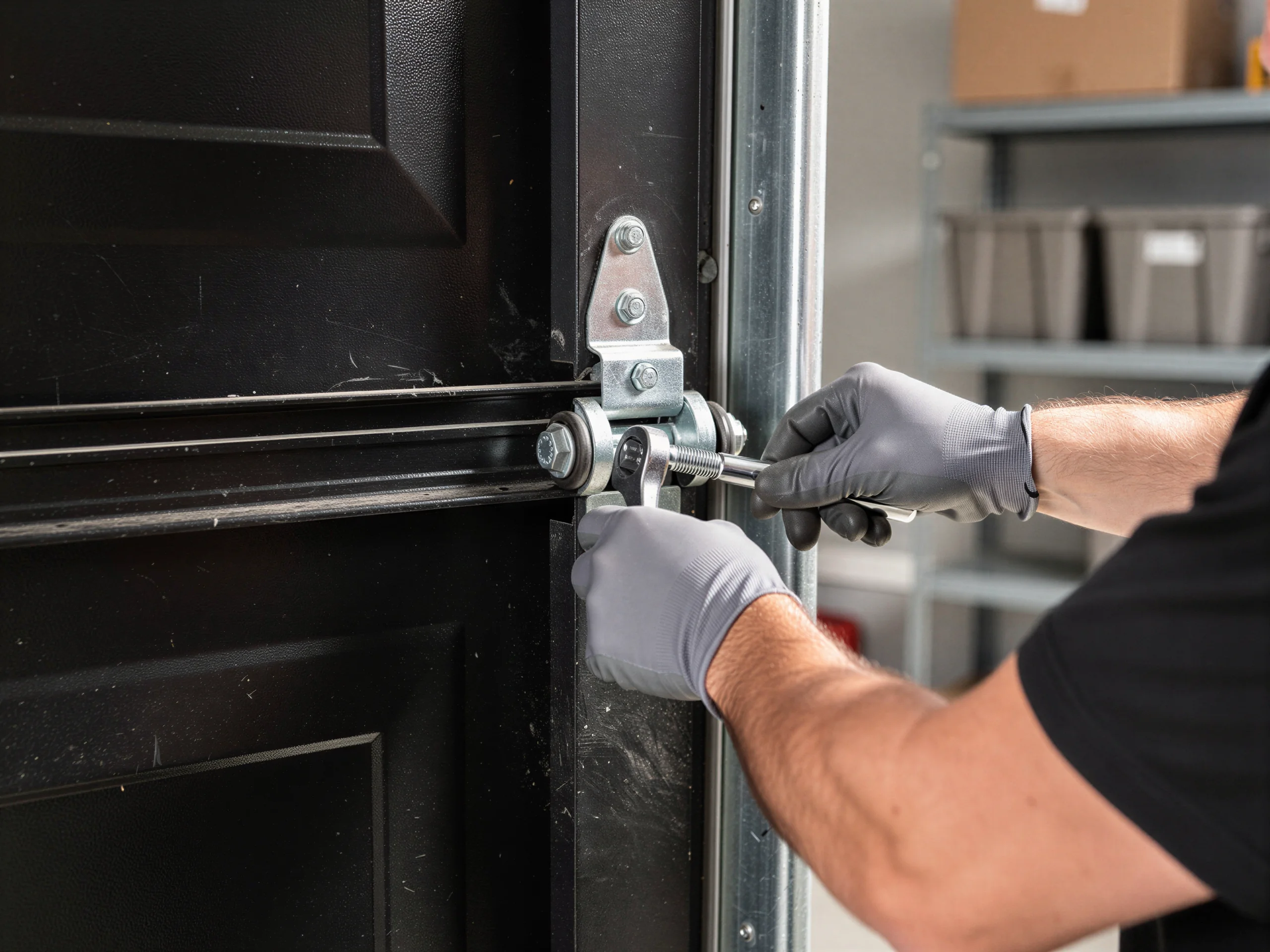
On houses from this era, the spring is the headline failure but rarely the only one. A torsion spring that's been under tension since the 1940s or 50s often takes a worn bearing plate or a stretched cable with it when it finally lets go, and on a single door that's been operating unevenly for months, you can find a bent track or a cracked panel at the bottom corner where the door's been dragging. Cold-climate moisture is the other factor - condensation inside an uninsulated steel door, common in this housing stock, speeds up rust at the hinges and the roller tracks faster than you'd expect. We also see openers original to houses this old still running on worn gears, which is its own failure separate from anything happening at the spring. The honest answer is that a service call on a door this age is rarely a one-part fix, and we tell people that up front rather than after we've opened the panel.
DIY or pro
A sagging panel or a noisy roller, you can often live with a while and even adjust yourself. A broken torsion spring, you can't - the tension stored in that spring can seriously hurt someone who doesn't have the bars and the experience to let it down safely, and that risk doesn't change because the house is old or the part is hard to find. Where the age of Cameron's housing stock actually matters for DIY is parts: a replacement drum or spring sized for 1938 hardware isn't something you'll find on a shelf at a hardware store, and ordering the wrong size wastes money and time. If you're set on doing some of the work yourself, lubricating hinges and tracks, checking for loose bolts, and clearing the track of debris are reasonable jobs. Springs, cables, and anything involving the opener's travel limits are worth a call.
Questions
Cameron sits in a cold-climate band where steel contracts hard in low temperatures. Torsion springs that are already old - and a lot of Cameron's housing stock dates to 1938 - lose tension faster in severe cold, which is why so many spring failures here happen on the coldest mornings rather than evenly through the year.
No. We're based in Wheeling and drive out to Cameron for calls - it's about 18 miles, the farthest point on our regular route. We don't keep a local depot there, so scheduling is built around the drive, not a same-day guarantee.
We'd tell you not to. A torsion spring holds enough stored force to cause a serious injury if it's released wrong, and on houses as old as Cameron's, the spring size often isn't a standard one you can grab off a shelf. It's one of the few jobs on this list we don't recommend doing yourself.
Explore more
Ready when you are
Wheeling Garage Door Co repairs and installs garage doors, springs and openers in Wheeling, WV and the surrounding area.